
Bowmans · Inspiration
Bathroom Waterproofing
The layer nobody sees and everybody regrets skipping: what goes behind your tiles, and where it genuinely matters.
What is in here
Waterproofing is the work that happens before a single tile is fixed. Get it right and the room lasts decades. Get it wrong and the damage shows up behind the wall, long after the job is signed off. This is what it involves, where it is needed, and what the standards actually require.
1 guide · last updated August 2026
What bathroom waterproofing actually is
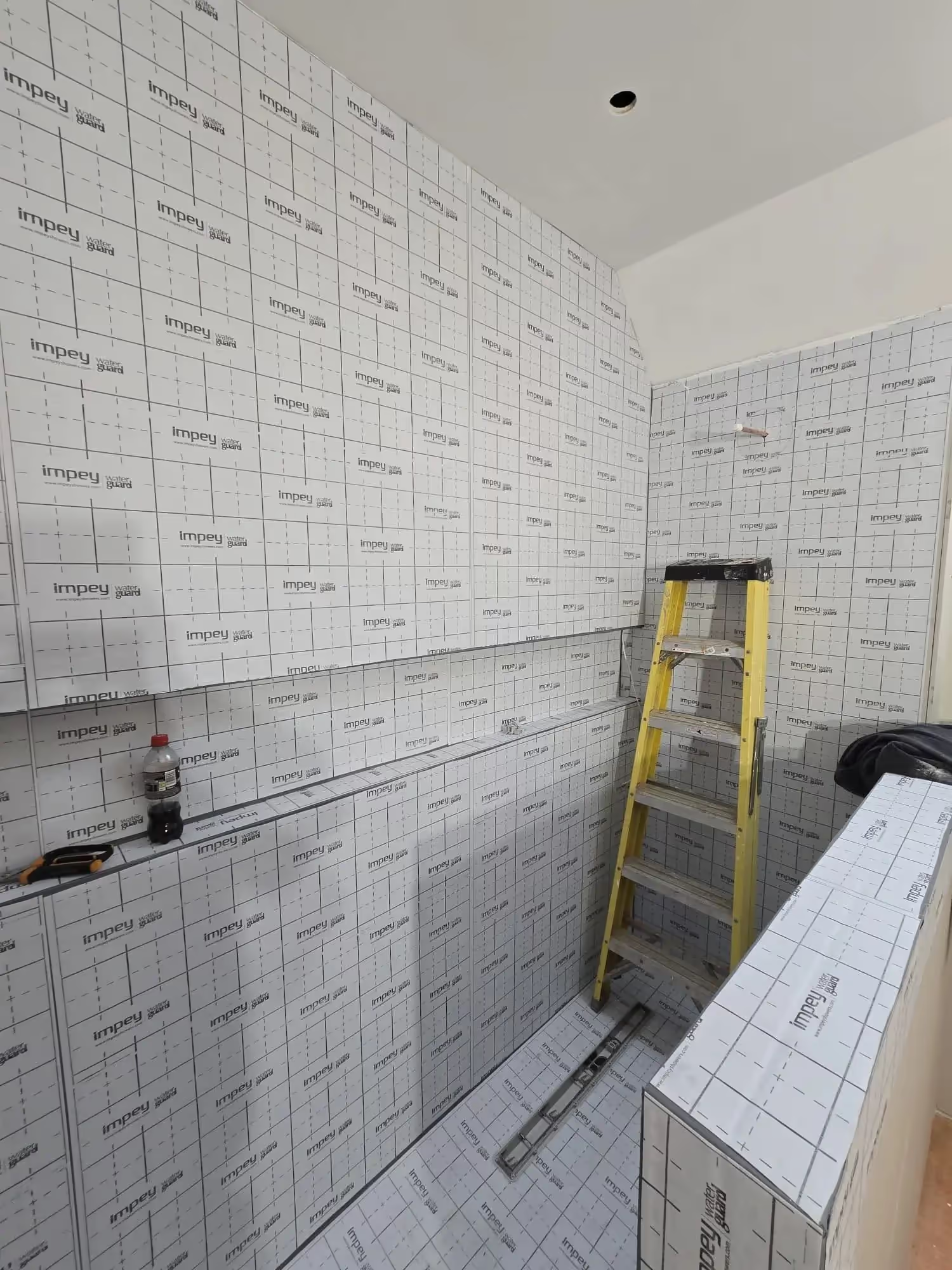
Tiles and grout aren’t waterproof. Water passes through grout lines over time, which is why the waterproof layer sits behind the tile, bonded to the substrate, and goes on before any tile is fixed. In the trade we call that tanking. It’s the difference between a shower that’s still sound in fifteen years and one that quietly rots the wall behind it.
Where it is needed
Not every wall in a bathroom needs tanking. The areas that do are the ones taking direct and repeated water: shower enclosure walls, wet-room floors and, most importantly, the junctions where those surfaces meet. Corners, floor-to-wall joints and pipe penetrations are where failures start, so we treat those first and most carefully.
Three ways to do it
- Liquid membrane is painted or rolled onto the substrate in coats, with reinforcing tape at the joints. Cheapest in materials, and the most dependent on whoever applies it getting the coverage and cure times right.
- Sheet membrane is a manufactured sheet bonded to the wall or floor. Consistent thickness, no cure-time guesswork, but more work at the detailing.
- Waterproof boards do both jobs at once: the substrate is waterproof, so board and membrane are the same thing. That’s the route behind most level-access wet rooms. We supply Wedi board systems and On The Level wetroom formers for exactly that.
Is it a legal requirement?
No. No Building Regulation in England requires tanking. It’s best practice rather than law, and the guidance comes from the British Standards and from warranty providers instead, which in practice means BS 5385-1:2018 for internal wall tiling and BS 5385-4:2015 for tiling in wet conditions. BS 5385-1:2018 also removed plywood and other wood-based boards as acceptable for direct tiling, though it does not ban plasterboard in wet areas outright.
The guide below has the full breakdown: every wet zone, the six-step process, cure times, and 2026 UK costs by room size. If you’d rather talk it through, bring your room dimensions to either showroom.
Tanking and wet zones
What goes behind the tiles, which areas need it, and what it costs.
More from Inspiration
Reading is one thing. Standing in it is another.
Every guide here comes out of rooms we have designed and supplied. Come and see the fittings in person at Braintree or Leigh-on-Sea.
Book a showroom visit