Bowmans · Inspiration · Design

How long does a luxury bathroom renovation take? A real 2026 timeline

By Jonathon Barclay, Founder 18 min read

“We were told six weeks. It took eighteen.” A version of that sentence lands on Mumsnet most weeks, in the Houzz UK forums constantly, and in our showroom inbox more often than we'd like. The honest answer is more interesting than “six weeks” or “eighteen weeks” — it depends on what you are specifying, and the bit homeowners always underestimate is product manufacturing time, not site work. Here is the real 2026 schedule, week-by-week, broken down by phase.

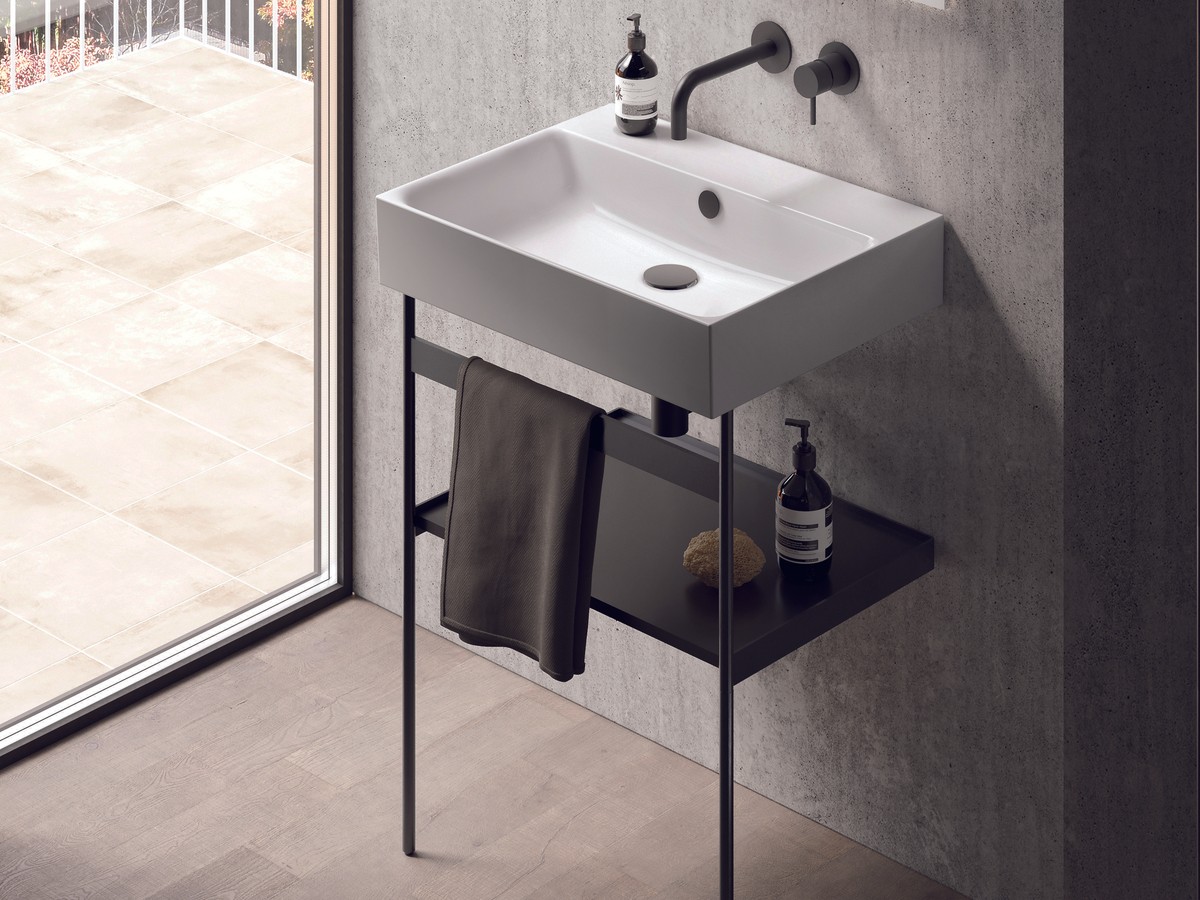
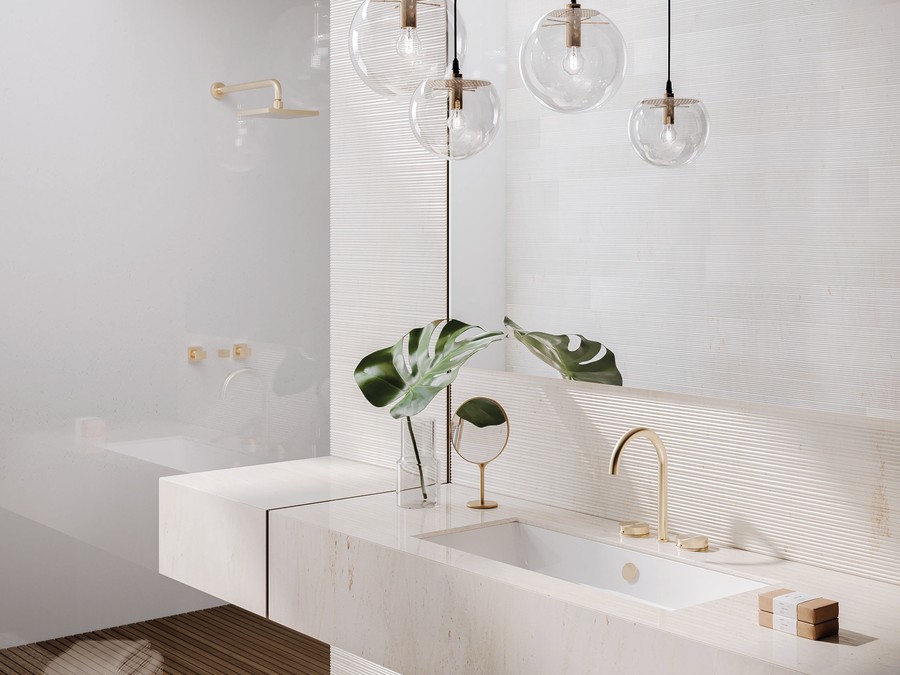
Luxury bathroom renovation timeline 2026 - Catalano premium sanitaryware in a coordinated designer-led scheme illustrating the spec coordination assembled before the order-to-install phase
Catalano sanitaryware in a designer-led scheme. The coherence on the wall is the easy bit; the lead times that delivered it ran 8–14 weeks before any fitter set foot in the room.

01 · The schedule

The real 2026 timeline, week-by-week

The honest 2026 luxury bathroom timeline runs in four sequential phases. None of them overlap meaningfully — design must finish before order, order must (mostly) arrive before strip-out, strip-out must finish before second-fix. The total clock runs 12–24 weeks for a standard luxury project, 18–28 weeks for bespoke. The table below is the schedule we work to with clients; your project will sit somewhere on this scale depending on the spec.

Standard luxury bathroom · 16–18 week mid-range schedule

Week Phase What happens
Week 1DesignFirst showroom appointment — brief, brand walk-through, rough budget calibration.
Week 2DesignSite measure visit. Survey of joists, soil pipes, supply pressure, ceiling heights.
Weeks 3–4DesignDraft CAD layout and 3D render. First review meeting. Revisions round one.
Week 5DesignFinal spec sheet. Sign-off and quote.
Week 6OrderDeposit paid. Orders placed across all brands the same day. Long-lead items first.
Weeks 7–13ManufactureProducts in factory queue. Brassware, sanitaryware, stone, joinery in production. Nothing happens on site.
Week 14DeliveryGoods-in. All product checked against spec sheet before strip-out begins.
Week 15InstallStrip-out, first-fix plumbing and electrics, screed or tanking.
Week 16InstallTiling, second-fix plumbing, sanitaryware install, brassware fit.
Week 17InstallJoinery, glass, mirrors, lighting, snagging walk.
Week 18HandoverGrouting cure, silicone, final commissioning, handover and aftercare brief.

Indicative 16–18 week schedule for a standard luxury bathroom in 2026.

Notice the shape: of an 18-week clock, only weeks 15–18 are on site. Weeks 1–5 are the showroom and the drawing board; weeks 6–14 are factories in Italy, Germany, and Yorkshire. The design and order phases together (10 weeks) are more than double the install phase (4 weeks). Most homeowners are surprised by that ratio, and most timeline disappointments come from underestimating the manufacture phase, not the install phase.

Two real-world variations on this base schedule. Compressed luxury (12–13 weeks): stock-finish brassware (chrome from Crosswater Union or Hansgrohe Logis), porcelain rather than stone, off-the-shelf sanitaryware (Catalano Zero or Sfera in white), no joinery. The order phase shrinks to 6–7 weeks because nothing is bespoke. Bespoke principal suite (22–28 weeks): book-matched stone slabs from Ca' Pietra, special-finish brassware (PVD bronze, brushed nickel) from Hansgrohe Axor, custom joinery, smart WC. The order phase stretches to 14–18 weeks because you are waiting on factory queues for non-stock items.

If you want a deeper read on the cost side of these tiers, we have broken it down in our UK luxury bathroom cost guide — the timeline figures here pair directly with the spend figures there.

“The biggest single delay is not the fitter; it is the brassware factory in Germany.”

02 · The shape

The four phases of a luxury bathroom project

Every luxury bathroom runs through four phases in order. Skipping or compressing any of them is the most common cause of timeline slippage we see. Here is what each one actually is, and why the order matters.

Phase one · 3–6 weeks

Design and specification

First appointment, site measure, CAD layout, 3D render, full specification sheet, sign-off and quote. 8–15 hours of designer time. Two to three revision rounds is normal. End-state: a complete spec sheet of every product down to silicone colour.

Phase two · 6–14 weeks

Order and manufacture

Orders placed across all brands the same day as sign-off. Special-finish brassware 8–14 weeks, bespoke stone 6–10 weeks, European sanitaryware 6–10 weeks, joinery 6–8 weeks. The longest single line item sets the start date for site works.

Phase three · 2–4 weeks

Install and second-fix

Strip-out, first-fix plumbing and electrics, tiling, sanitaryware install, brassware fit, joinery, glass, lighting, snagging. The visible bit. Bespoke principal suites with stone walls and complex joinery can stretch to 5–6 weeks.

Phase four · 1–2 weeks

Snag and handover

Final snag list, silicone cure, glass screen install, commissioning, handover walk-through, aftercare brief. Often overlapping with the end of phase three rather than being a discrete block. Six-month aftercare visit follows for any settle-in issues.

The “order before strip-out” rule is the operative principle that joins phases two and three. Strip-out before product is on site means a half-demolished room sitting empty for six to twelve weeks while you wait on a brassware delivery from Germany — and an idle fitter on day rate, or the loss of your install slot entirely. Every designer-led showroom we know has at least one cautionary tale about a homeowner who stripped out their only bathroom on a Friday before the brassware arrived. Do not be that homeowner.

The exception to the rule: if you have a usable spare bathroom in the house, some clients prefer to overlap phase two and three by starting strip-out and first-fix during the manufacture window. This shortens the overall clock by 2–3 weeks but raises coordination risk.

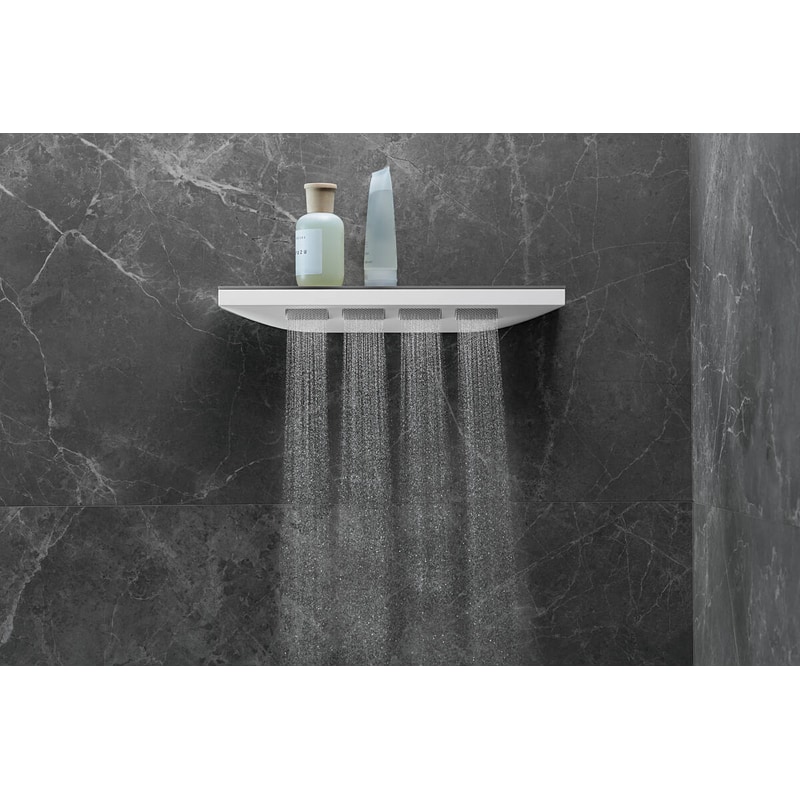
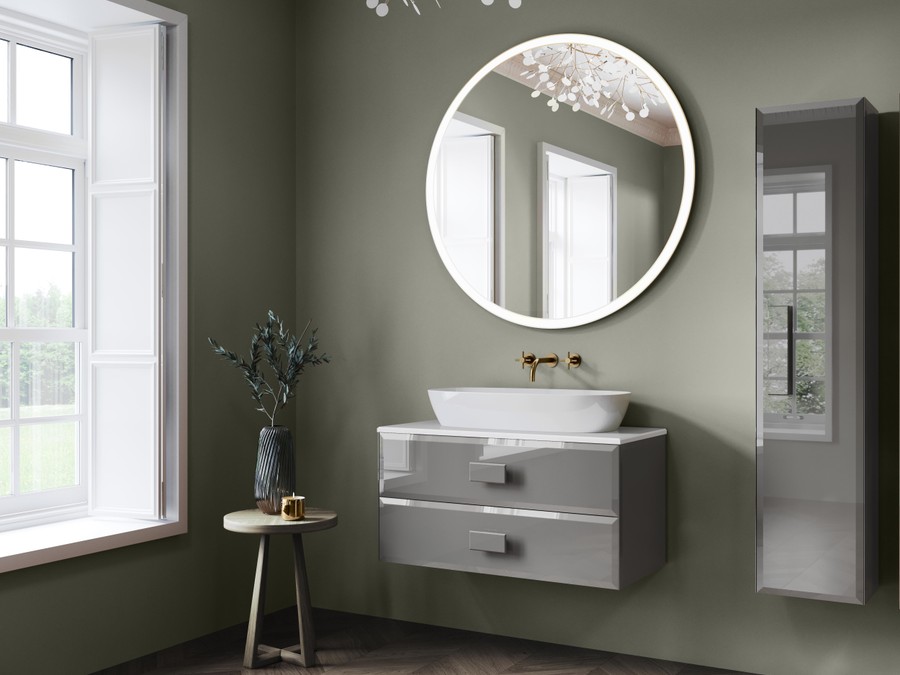
Hansgrohe Axor designer brassware in special finish - drives 8 to 14 week luxury bathroom lead times in 2026
Hansgrohe Axor brassware in a special finish — the line item that most often sets the manufacture-phase clock. 8–14 weeks from order to UK delivery is normal in 2026.

03 · Design

How long does the design phase actually take?

Three to six weeks from first showroom appointment to signed-off specification, with a draft 3D render typically ready within 1–2 weeks of the measure visit. Total designer time across the period is 8–15 hours for a standard luxury bathroom. Bespoke principal suites with custom joinery push that to 18–25 hours.

The clock starts ticking at the first showroom appointment. That visit is 60–90 minutes; the designer takes the brief, walks you through brand options at your spec level, and gives you a rough budget calibration. The site measure follows in week 2 — typically a 90-minute visit with the designer and a tape measure, laser measurer, joist probe, and a notepad recording soil-pipe positions, supply pressures, ceiling heights and window reveals.

The CAD layout and 3D render are produced in weeks 3–4. This is the longest single design output — it is where the room gets drawn at scale, every fitting placed against actual joist runs and supply lines, every brassware code matched to actual water pressure, every cistern measured against actual recess depth. The 3D render is the part clients enjoy most, but it is the spec sheet that prevents the install-day failures — 60–120 line items for a standard luxury bathroom, every one a decision the designer has made on your behalf.

Two to three revision rounds is normal. The first round fixes the things you did not know you cared about until you saw them in 3D (the towel rail position, the basin centre line, the shower glass opening direction). The second round fine-tunes finishes — the brassware finish, the tile colour, the grout tone, the silicone shade. The third round, if it happens, is final price calibration: removing items to hit budget, or upgrading items where the budget stretches.

Sign-off is the moment the design phase ends and the order phase begins. It is also the moment the spec sheet stops being editable without consequence — every change after sign-off has a cost, either in revision time, restocking fees, or lost lead-time slots with manufacturers. The decisions that fill those 3–6 weeks of design phase are documented step-by-step in our designer's 14-step planning checklist — useful as a reference for what should be locked before sign-off.

04 · Lead times

Product lead times by category — the real bottleneck

This is the section most timeline articles skip. Here are the real 2026 manufacture-and-delivery windows for the categories that drive luxury bathroom schedules — working from longest to shortest.

2026 UK luxury bathroom lead times by category

Category Stock finish Special finish or bespoke
Special-finish brassware (PVD, brushed nickel, matt)3–5 weeks8–14 weeks
Bespoke stone slabs (book-matched, large-format)2–3 weeks (in-stock porcelain)6–10 weeks
European sanitaryware (non-stock colourways)2–4 weeks (white, in stock)6–10 weeks
Bespoke vanity joinery3–4 weeks (off-the-shelf)6–8 weeks
Smart WCs (Geberit AquaClean, similar)3–5 weeks5–7 weeks
Freestanding baths (cast iron, stone resin)2–4 weeks4–6 weeks (painted bespoke)
Stock-finish brassware (chrome, white)2–4 weeks
Tile (porcelain, ceramic, in-stock ranges)1–3 weeks3–6 weeks (special order)

Indicative 2026 UK lead times for designer-led showroom orders. Verify current windows with the supplier at the point of order.

Three categories drive the majority of luxury bathroom timeline slippage. Special-finish brassware is the biggest single risk — Hansgrohe Axor in PVD bronze or brushed nickel, Crosswater Union in matt black, JTP Vos in PVD finishes. Manufacturers quote 8–12 weeks but routinely run 12–14, and during peak European holiday windows (mid-July through August, December) some lines pause production entirely. Order long-lead brassware on day one of sign-off.

Bespoke stone slabs from suppliers like Ca' Pietra are the second risk. Book-matched book-form pairs (where two slabs mirror each other across a feature wall) take 6–10 weeks from order because the supplier holds back two slabs from the same block, cuts them to your specific dimensions, and ships as a coordinated pair. A single-slab order on a stocked range can be 2–3 weeks; the moment you specify book-matching or large-format, the clock multiplies.

European sanitaryware in non-stock colourways is the third. Catalano and similar Italian houses keep their core ranges in white in stock; the moment you specify a colour (cement, sage, terracotta) or a non-stock model, the order goes into a factory queue and runs 6–10 weeks. The white version of the same model from the same factory might ship in two.

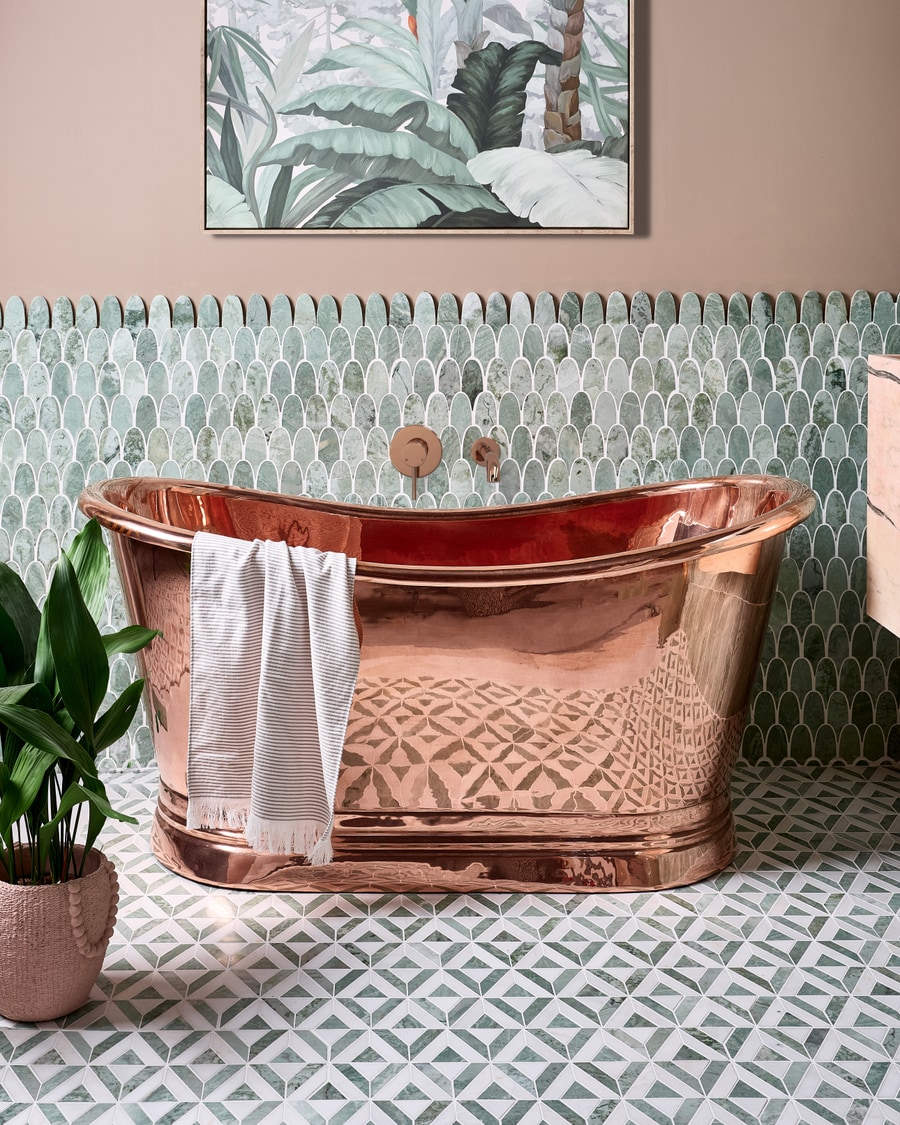
Ca Pietra Cote Bourgogne limestone slabs in a luxury bathroom scheme - bespoke stone of this kind typically runs 6 to 10 week lead times in 2026
Ca' Pietra Cote Bourgogne limestone. Bespoke stone of this calibre runs 6–10 weeks from order, longer if you specify book-matching across a feature wall.
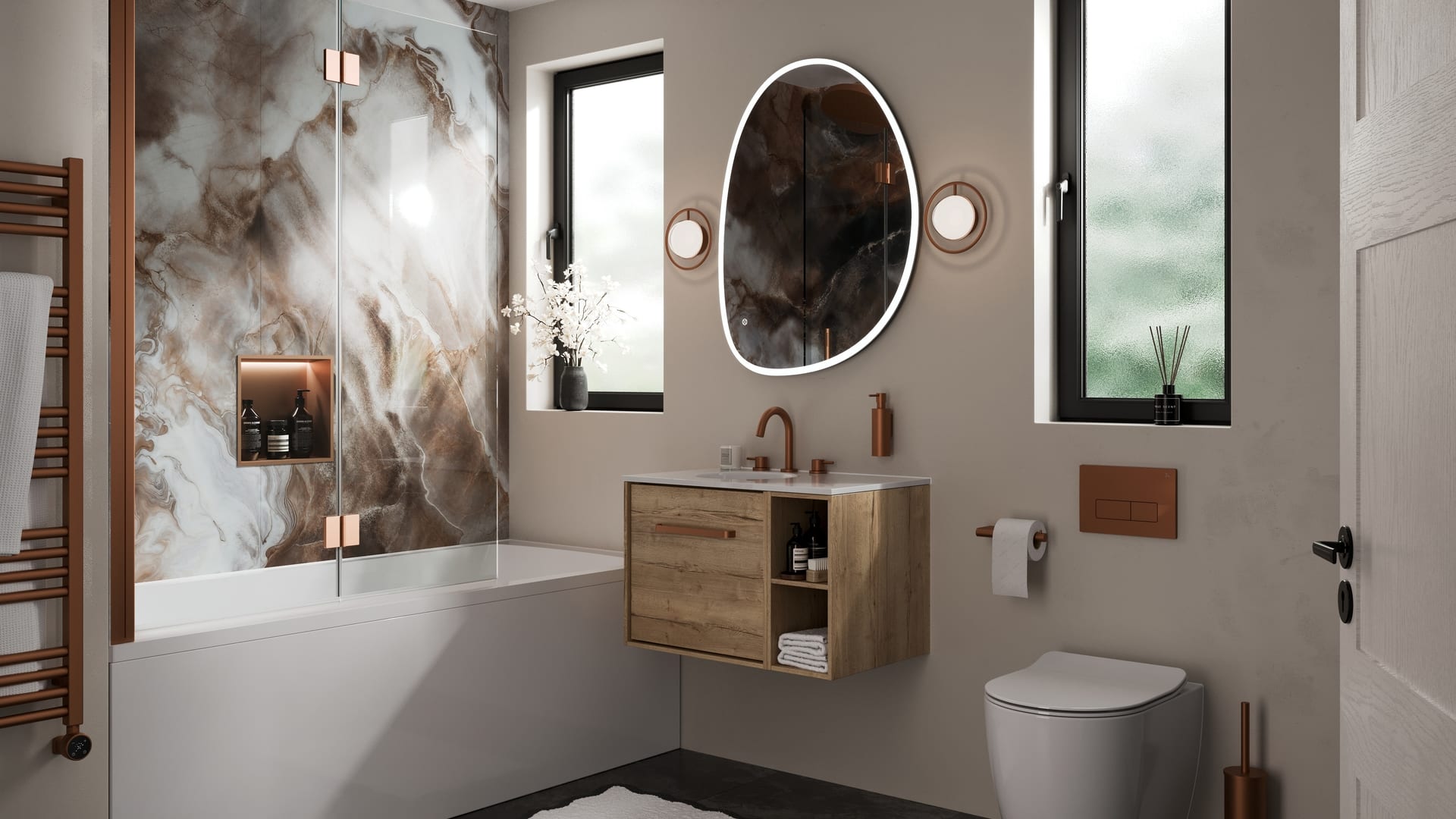
Crosswater bathroom collection in a designer-led luxury scheme - the kind of fully coordinated install that depends on the design and order phases finishing before any tile leaves a pallet

A scheme like this looks like a 4-week install on the surface. The reality is a 16-week clock — 5 weeks design, 9 weeks manufacture, 4 weeks site.

05 · The site phase

The install phase — week-by-week on site

The install phase is the visible bit. Two to four weeks for a standard luxury bathroom, five to six for a bespoke principal suite with stone walls and complex joinery. Here is what actually happens, week-by-week, on a typical 4-week schedule.

W1

Strip-out and first fix

Existing bathroom stripped. Old waste pipes capped. First-fix plumbing run for new layout (hot/cold supplies, waste runs, valve boxes for concealed cisterns). First-fix electrics installed — all bathroom circuits 30mA RCD protected per BS 7671 Amendment 3:2024. Floor screed or tanking laid where the layout has changed. Walls patched and prepped for tile.

W2

Tile and second-fix

Wall tile installed first, floor tile second. Tile cuts around brassware penetrations made to the spec sheet, not improvised on the day. Second-fix plumbing follows — shower valves connected, basin and bath waste fittings installed, isolation valves set. Second-fix electrics commission lighting circuits, extract fan (15 L/s intermittent or 8 L/s continuous per Approved Document L), shaver socket, mirror demist if specified.

W3

Sanitaryware, brassware and joinery

WC, basin, bath installed. Brassware fitted to designed pressure — thermostatic mixers commissioned, monobloc taps tested for blend balance. Bespoke vanity joinery installed and aligned. Mirrors, light fittings, towel rails, accessories all hung. Snagging walk happens at end of week.

W4

Glass, silicone, snag, handover

Glass shower screen or bath screen installed (always last — prevents tile damage during install). Silicone applied (24–48 hour cure). Final snag list completed. Commissioning walk-through with the homeowner. Aftercare brief covers cleaning of natural stone, brassware finish care, smart-WC settings if installed. Building Control sign-off where notifiable work has been completed under Part P.

That is a clean 4-week install. The week-1 strip-out is the riskiest moment — it is where joist failures, soil-pipe surprises, and hidden lath-and-plaster appear. A designer who has done a proper site measure visit in week 2 of the design phase has usually identified these in advance, but never assume — we always quote a 5-day buffer for week 1 on period properties.

Notifiable electrical work under Approved Document P needs a Part-P registered competent person installing it (or notification through Building Control before work starts). The competent-person route is what most luxury showroom installers use — it is quicker and gives the homeowner a Building Regulations Compliance Certificate within 30 days of completion. Going through Building Control directly adds 2–6 weeks to the schedule because of inspection scheduling.

If you are using your own fitter rather than a showroom-vetted installer, the install phase tends to stretch by 1–2 weeks — not because the fitter is slower, but because spec questions get routed back to the showroom for clarification rather than answered on site. The integrated designer-installer-products model (one team accountable end-to-end) compresses the schedule because nobody has to ask anyone else what was meant.

For a fuller breakdown of how install runs end-to-end on a Bowman project, see our bathroom installation page.

06 · The drag

What slows luxury bathroom projects down

Three things, in order of frequency, account for the majority of timeline slippage on luxury bathrooms in 2026. The good news is two of them are fully avoidable; the third is a known risk that can be planned around.

Cause one · most common

Late client decisions during design

Every revision round after the second one adds 5–10 days to the design phase, and every change after sign-off adds days or weeks depending on what is already on order. A client who changes their tile choice three weeks after sign-off can lose 6–8 weeks if the new tile is on a longer lead time than the original. The design phase is the cheap phase to iterate; once orders are placed, every change has a manufacturing or restocking cost. Decide everything before you sign.

Cause two · the constant

Special-finish brassware lead times

PVD bronze, brushed nickel, matt black, gunmetal — all of them routinely run 12+ weeks even when manufacturers quote 8. European factory holiday closures (mid-July through August, December) can pause production entirely. There is no way to avoid this risk other than to specify in stock-finish chrome, white or polished brass — which most luxury clients do not want to do. The work-around is to order on day one of sign-off and accept that the brassware lead time sets the install date.

Cause three · the surprise

Site-discovered problems on strip-out

Rotten joists under the freestanding bath position. Soil pipe two inches off where the survey said it was. Lath-and-plaster behind a wall that read as plasterboard. A 1930s steel girder in the wrong place. These things appear in week 1 of install on roughly one in three period-property bathrooms in our experience, and they add 3–10 days. A designer site measure visit catches most of them; the rest are genuinely unknowable until the wall comes off. We always carry a 5-day buffer in the install schedule on Victorian, Edwardian, and pre-1940 properties.

07 · The role

How a designer manages the timeline

A designer's role in the timeline is not to make it shorter; it is to make it predictable. The schedule for a properly designed luxury bathroom is roughly the same length whether you have a designer or not — what changes is the variance. Without a designer, the average luxury bathroom comes in within a few weeks of plan; the worst case is months over. With a designer, the worst case is also a few weeks over, because the variance has been engineered out at the spec sheet.

Three things the designer specifically manages on the schedule. One: long-lead items get ordered first. The day after sign-off, the brassware order goes in — not the tile order, not the sanitaryware order. The designer knows which line item sets the clock and starts that clock immediately. Two: site measure flags joist or soil-pipe surprises before they are install-week emergencies. A 90-minute measure visit in week 2 of design is the cheapest insurance available against a 5-day install delay. Three: revisions are gate-controlled. A good designer will push back on revision rounds beyond two or three, on the basis that more revision rounds usually mean an unresolved brief, and an unresolved brief is what produces post-sign-off changes (the expensive ones).

The integrated designer-installer-products model adds a fourth: spec questions during install get answered same-day, by the person who wrote the spec sheet. Without integration, the fitter calls the showroom to ask whether the towel rail valve is meant to be on the left or right; the showroom calls the designer; the designer calls the fitter back. Two days lost on a clean question. With integration, the fitter texts the designer a photo and gets a one-line answer in 30 minutes.

If you are considering whether you need a designer at all, we have covered that question in detail in our honest guide to whether a bathroom designer is worth it — the four trigger conditions, the cost-vs-value maths, when fitter-only is genuinely the right call.

Three projects, three timeline shapes

Compressed luxury bathroom scheme - Catalano Zero compact basin in white, stock-finish brassware, porcelain tile
Compressed · 12–13 weeks · stock spec
Standard luxury bathroom scheme - Catalano Carolina coloured sanitaryware, designer brassware, larger format tile
Standard · 16–18 weeks · luxury spec
Bespoke principal-suite scheme - Ca Pietra East Java marble mosaic, special-finish brassware, custom joinery
Bespoke · 22–28 weeks · stone + special
“A designer does not make the schedule shorter. They make it predictable.”

08 · The plan

When to start planning — working backwards from your finish date

Most homeowners come to us with a desired finish date and work backwards. The maths is straightforward but the bracket creep catches people out — here are the working-backwards numbers for the three most common finish targets.

Working backwards from common finish dates · 2026

Finish target Standard luxury (16–18 wk) Bespoke principal (24–28 wk)
Christmas (mid-Dec finish)First appointment by mid-JulyFirst appointment by mid-May
Summer holiday (end July finish)First appointment by mid-MarchFirst appointment by mid-January
Easter (early April finish)First appointment by early December (year prior)First appointment by mid-October (year prior)

Add 2–3 weeks of contingency to all dates if your spec includes special-finish brassware or bespoke stone slabs.

The classic mistake: a homeowner books the first appointment in September thinking “two months is plenty for Christmas”. With anything in the standard luxury bracket, two months is half a design phase — you will be lucky to be at sign-off by Christmas, let alone install. The clients who reliably finish on time are the ones who book the first appointment six months out and accept that the design and order phases are quietly running in the background while life carries on.

Two further realities to factor in. Manufacturer holiday closures: most European factories close for two to three weeks across August (Italy and Germany), and one to two weeks across Christmas and New Year. Orders placed mid-July sit in the queue until early September. Orders placed mid-December sit until mid-January. Plan around these or accept the slip. UK Easter and bank-holiday weeks: install schedules around Easter and the May bank holidays often lose one to two days each, and your fitter may want to schedule around their own holidays too. Build in a week of buffer if your install crosses one of these.

For a sense of what is involved on the cost side at each tier — which directly drives the lead times — our luxury bathroom cost guide walks through £15k, £25k and £40k+ specs line-by-line.

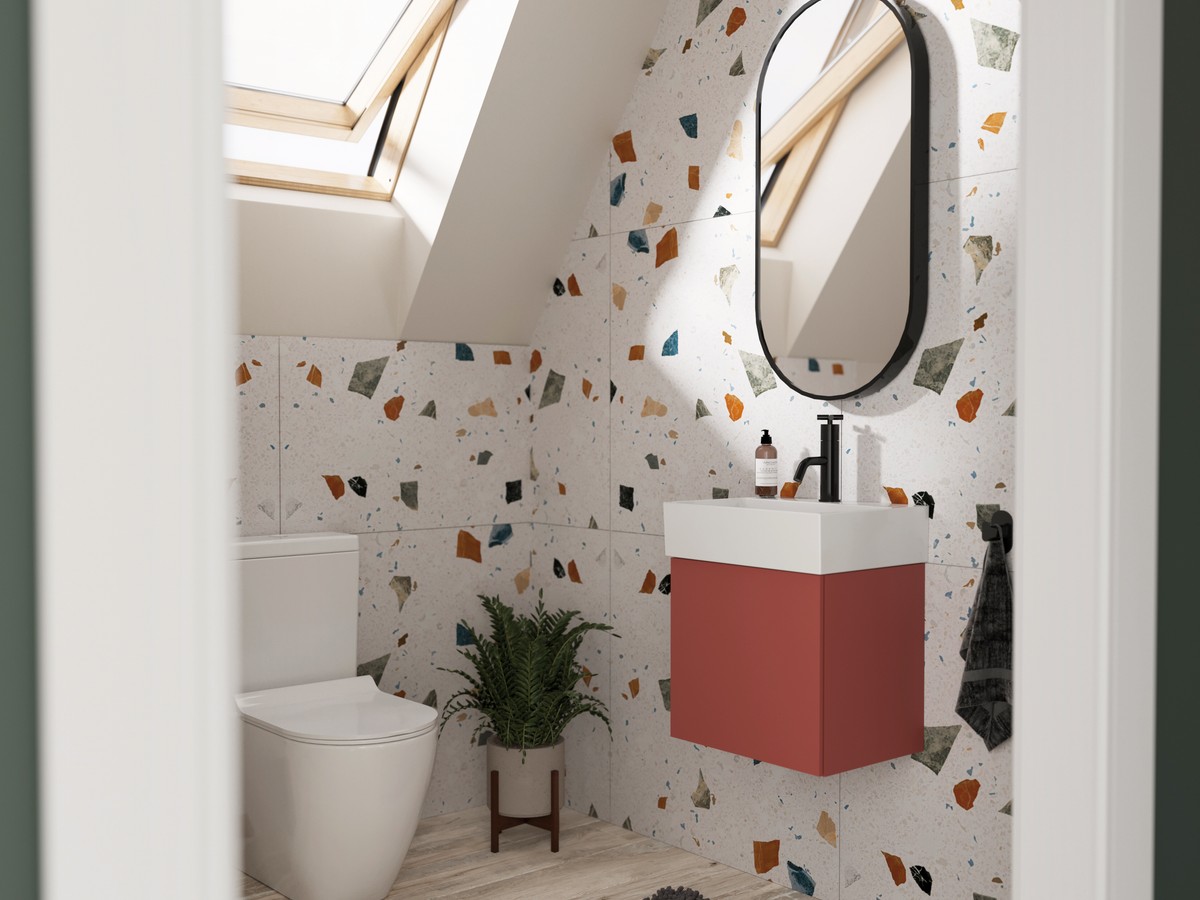
Catalano terracotta cloakroom basin in a coloured sanitaryware scheme - illustrative example of how non-stock colourways extend European sanitaryware lead times
Catalano coloured sanitaryware. The white version of the same basin ships in two weeks; the moment you specify a colour, the factory queue takes six to ten.

Frequently asked questions

Everything UK homeowners ask about luxury bathroom renovation timelines.

From first showroom appointment to handover, plan on 12-24 weeks for a standard luxury bathroom in 2026. The split is roughly 3-6 weeks for design and sign-off, 6-14 weeks for product manufacturing and delivery (the longest single phase), and 2-4 weeks on site for the actual install. Bespoke principal-suite projects with stone slabs or special-finish brassware run 18-28 weeks. The on-site phase is the part most homeowners imagine when they ask 'how long' - but it's the smallest piece of the schedule.
Because product lead times are the bulk of the schedule, not site work. Special-finish brassware (PVD bronze, brushed nickel, matt black) typically takes 8-14 weeks from order to delivery in 2026. Bespoke stone slabs run 6-10 weeks. European sanitaryware in non-stock colourways adds 6-10 weeks. A designer ordering on day one of design sign-off still waits two to three months before site work can sensibly start. The 'order before strip-out' rule exists for this reason - strip-out without product on site means a half-finished room and an idle fitter.
First appointment to draft 3D render is 1-2 weeks. Full specification, sign-off and quote: 3-6 weeks from the first appointment, depending on revision rounds. A standard luxury bathroom design takes 8-15 hours of designer time across that period - measure visit, CAD layout, 3D render, full spec sheet, supplier sourcing and project programming. Two to three revision rounds is normal; clients who push past five revisions usually have an unresolved brief, not a design problem.
Order at the moment of design sign-off - the same day you commit to the spec. The order-to-install window is 6-14 weeks at standard luxury and longer for bespoke, so anything you order later than sign-off pushes the install date back week-for-week. Special-finish brassware (Hansgrohe Axor in PVD or matt finishes) is the longest single line item at 8-14 weeks; stone slabs from suppliers like Ca' Pietra typically take 6-10 weeks. The mistake homeowners regret most is ordering after strip-out - it leaves a half-demolished room sitting empty for six to twelve weeks.
Plan on 2-4 weeks of fully-out-of-action use for a standard luxury install. Week 1 is strip-out, first-fix plumbing and electrics, and screed or tanking if the floor is being rebuilt. Week 2 is tiling and second-fix plumbing. Week 3 is sanitaryware install, brassware fit, joinery and snagging. Week 4 covers grouting cure-time, silicone, glass screen install and final commissioning. A bespoke principal suite with stone walls and complex joinery can stretch to 5-6 weeks. Always plan for one usable bathroom in the house during the works - don't rip out your only one.
Three things, in order of frequency: late client decisions during design (every revision round adds 5-10 days), special-finish brassware lead times (PVD bronze and brushed nickel routinely run 12+ weeks even when manufacturers quote 8), and site-discovered problems on strip-out (rotten joists under a freestanding bath position, soil-pipe in the wrong place, hidden lath-and-plaster behind a 'plasterboard' wall). The Building Regs notifications under Approved Document P (electrical) add 2-6 weeks if you're notifying through Building Control rather than using a registered competent person.
For a Christmas-ready bathroom, book the first showroom appointment by mid-July at the latest - and earlier if your spec includes special-finish brassware or stone slabs. Working backwards: 4 weeks install in late November or early December, 8-14 weeks order-to-install (so order by mid-August to mid-September), 3-6 weeks design and sign-off (so first appointment by mid-July). Bespoke principal-suite projects with custom joinery need an extra 4-6 weeks earlier still - start in May for a December finish. The clients who get caught short every year are the ones who book in September thinking 'two months should be plenty'.

What is next

Plan the schedule properly, finish on time

A luxury bathroom that finishes on time is one where the design phase ran without crisis, the long-lead items were ordered the day after sign-off, the site measure caught the joist surprise before it became a week-1 problem, and the fitter had every spec answered before they set foot in the room. None of that happens on a 4-week clock — it happens on a 16-week clock that has been planned properly. Six months out is the right time to start, not three.

We run our design service at the Braintree and Leigh-on-Sea showrooms, and the install side runs through a vetted installer network or alongside your own fitter (your call). There is no separate design fee, and because we benchmark our product pricing against the major UK online retailers, you do not pay a premium for using a designer-led showroom either — the design service comes alongside online prices, not on top. If you want a real conversation about your finish date and what spec gets you there, book in.

Visit Our Showrooms Free brochures Price estimator